
AGRIZEN
Tiny Greens, Big Nutrition: Why Kenyans Are Turning to Microgreens
Health Desk
Kenya is still working through what nutrition experts describe as a triple burden of malnutrition, a mix of undernutrition, micronutrient deficiencies, and rising overweight and obesity that often exist side by side in the same communities. The 2022 Kenya Demographic and Health Survey found that 18 percent of children under five are stunted, 10 percent are underweight, and 42 percent of pregnant women suffer from iron deficiency anaemia. Experts estimate that malnutrition costs the country close to seven percent of GDP every year through lost productivity and health spending.
One reason the numbers stay stubbornly high is diet quality. National data shows that only about five percent of adults in Kenya eat the five daily servings of fruits and vegetables recommended by the World Health Organization. Against that backdrop, a small but growing group of urban growers is turning to microgreens, tiny, nutrient dense vegetable seedlings harvested just days after they sprout, as a fast and space efficient way to close some of that nutrition gap.
What Microgreens Actually Are
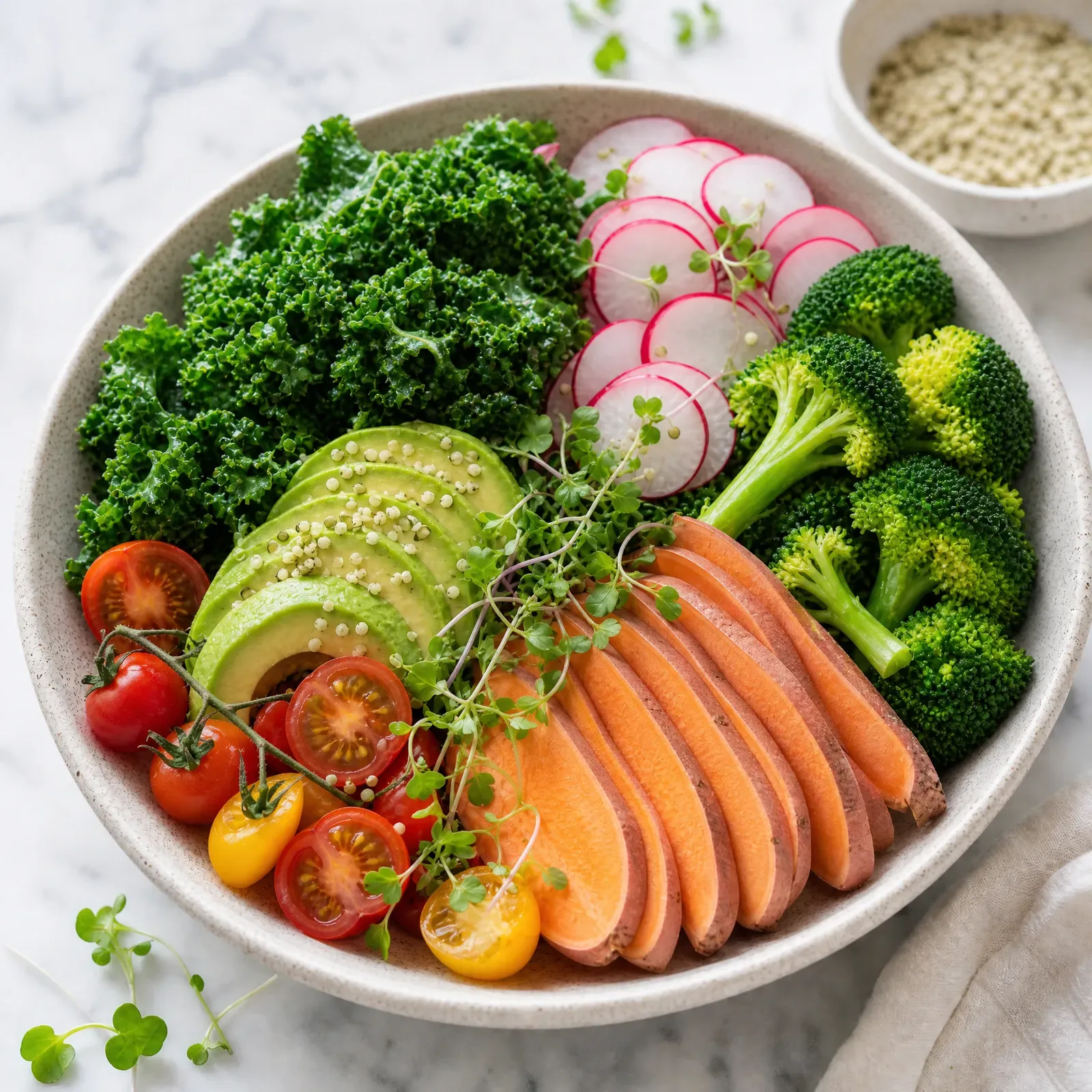
Microgreens are the young seedlings of vegetables and herbs, harvested once the first true leaves appear, usually between seven and twenty one days after planting depending on the variety. Common types grown in Kenya include kale, cabbage, radish, broccoli, mustard, and arugula, along with herbs such as basil, chives, and coriander. Because they are harvested so early, microgreens take up a fraction of the space and time required for a full grown crop, which is why urban growers have embraced them using vertical shelves, sacks, and repurposed indoor rooms rather than open farmland.
One Kenyan case that has drawn attention is Samuel Kamau, a former IT worker who left his tech career to grow microgreens at Little Farm, a converted space at Jomo Kenyatta University of Agriculture and Technology in Juja. Over several years he has built a small operation using vertical, horizontal, and sack based growing methods, cultivating everything from basil and chives to cumin, and positioning microgreens as a practical answer to Kenya's nutrition gap rather than a niche restaurant garnish.
Why a Small Serving Packs a Nutritional Punch
Research published in international nutrition journals has repeatedly found that microgreens can carry concentrations of vitamins and antioxidants many times higher than their fully grown counterparts, gram for gram. Some varieties of bean microgreens, for example, have been measured containing vitamin C levels well above what is found in the mature plant. For a country where iron deficiency, zinc deficiency, and vitamin A deficiency remain widespread, particularly among children and pregnant women, this concentration matters. A small handful of microgreens added to a meal can contribute meaningfully to daily micronutrient intake without requiring a large volume of food, which is useful for young children with small appetites or households working with tight food budgets.
Microgreens also offer a practical advantage beyond nutrition. Their short growth cycle, often complete within two to three weeks, means growers can harvest several batches in the time a single crop of mature kale or spinach would take to mature. That speed, combined with their small footprint, has made microgreens attractive to urban and peri urban growers who lack large tracts of land but want a reliable, repeatable source of fresh vegetables close to where people actually live and shop.
A Cleaner Way to Eat Greens
Microgreens also sidestep a concern that has repeatedly surfaced in Kenyan food safety research: pesticide residue on market vegetables. Because microgreens are grown quickly, often indoors or in controlled spaces, and harvested before pests and disease pressure typically build up, many growers report needing little to no pesticide application at all. For health conscious households already wary of residue levels found in mature market produce, this shorter, more controlled growing window offers an additional layer of reassurance alongside the nutritional benefits.
Agrizen and Organically Grown Microgreens
Agrizen offers a practical solution for households looking to eat more healthfully without the guesswork. The platform brings organically grown microgreens directly to customers, sourced from growers who skip synthetic pesticides and chemical fertilizers altogether. Rather than leaving families to weigh residue risk against nutrition every time they shop, Agrizen makes the healthier choice the easy one, giving customers a simple way to add a nutrient rich, pesticide free option to their weekly meals and supporting the kind of daily habits that help close Kenya's nutrition gap one household at a time.
A Growing Global and Local Market
The interest in microgreens is not unique to Kenya. Global market research puts the worldwide microgreens industry at more than three billion dollars in value in 2026, with analysts projecting continued double digit annual growth through the early 2030s as urban consumers in cities around the world look for compact, nutrient dense ways to eat more
Vegetables. That global momentum is beginning to show up locally too, as more small scale Kenyan growers experiment with vertical shelving, sack gardens, and repurposed indoor spaces to bring microgreens to nearby urban markets, following a model already proven by growers such as Kamau at JKUAT.
For Kenyan households already stretched by food costs and dealing with a documented gap in fruit and vegetable intake, microgreens offer a rare combination: a crop that grows fast, requires little land, tends to need minimal chemical input, and delivers a concentrated dose of the vitamins many Kenyans are shown by national survey data to be lacking. Whether grown at home in a sack by a windowsill or ordered through a platform like Agrizen, microgreens are shaping up to be one of the more practical additions to the country's ongoing effort to close its nutrition gap.