
Fresh Harvest
Kenya's Story of Soil, Seasons and Sustenance Published by Agrizen | Curators of The Laikipia Harvest | June 2026
The Ground Beneath Our Tables
Why Kenya's Fresh Harvest Is More Than Food. It Is a Way of Life. By the Agrizen Editorial Team | June 2026
There is a particular kind of magic that happens at dawn in a Kenyan market. It is not the dramatic kind, no fanfare, no spectacle, just the quiet unhurried ritual of farmers arriving before the sun does, their hands still carrying the earthy memory of the soil they worked the evening before. Crates of tomatoes stack up in towers of red and orange. Bundles of sukuma wiki fan out like small dark green wings. Avocados, heavy and oblong, roll gently against each other, releasing that grassy perfume that is somehow both humble and intoxicating.
For millions of Kenyans, this is not a backdrop. It is the heartbeat of everyday life. The freshness of the harvest is not merely a quality marker or a marketing phrase. It is a covenant between the earth and the people who depend on it, carrying profound consequences for how we eat, how we thrive, and how we survive.
A Land That Feeds a Continent
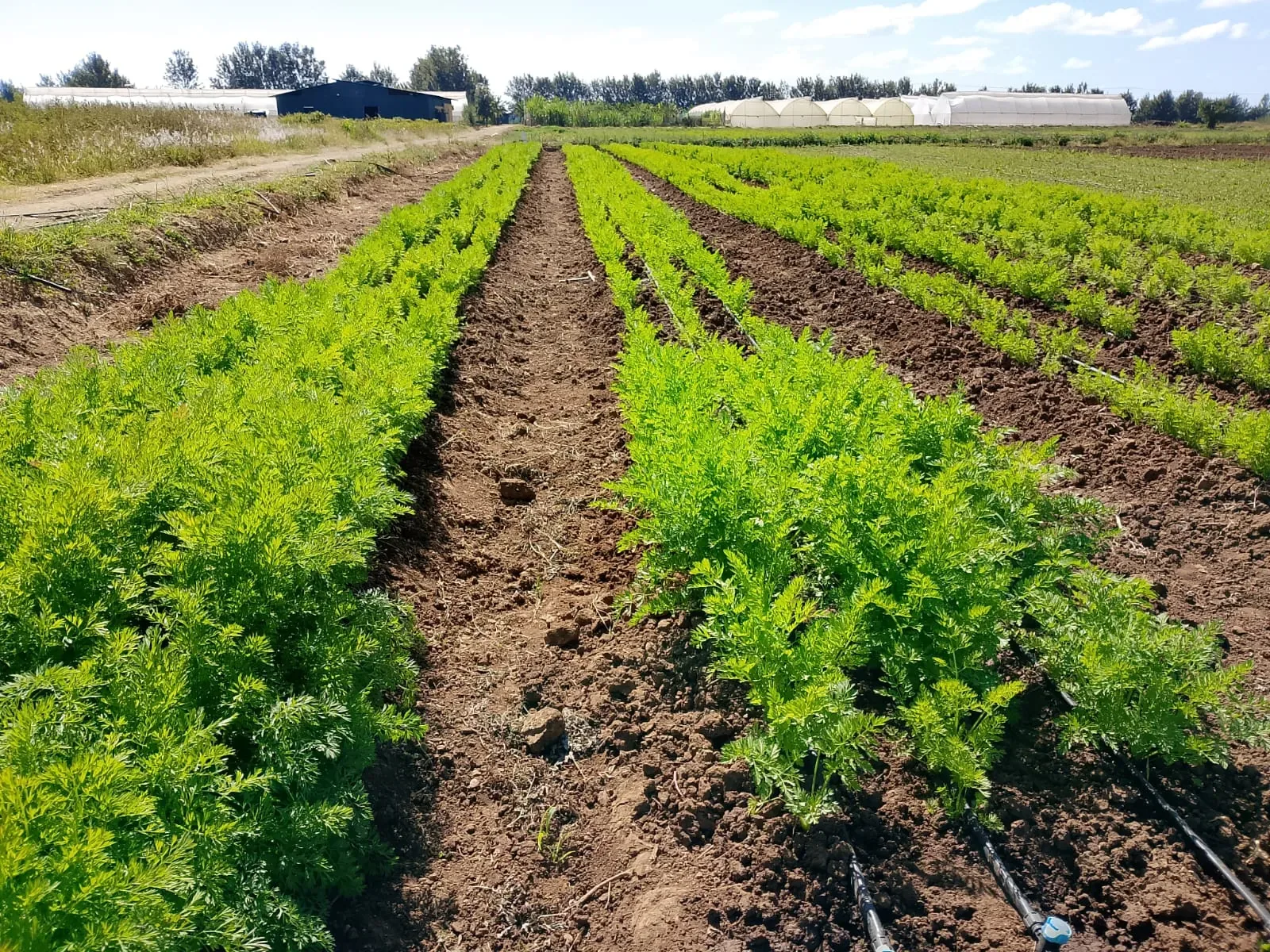
Kenya sits astride the equator with a geographical generosity that few nations can match. The warm lowlands of the coast yield tropical fruits such as mangoes, coconuts, and pawpaws with flesh the colour of a sunset. Travel inland and the altitude shifts everything: the cool highlands around Mount Kenya, the Aberdares, and the Rift Valley produce some of the finest vegetables on the continent, including carrots from Nyandarua, cabbages from Kinangop, and potatoes from Molo that are almost impossibly dense and flavourful.
And then there is the Laikipia Plateau, the very terrain that Agrizen calls home. Here, at an elevation that keeps the nights cool and the days brilliantly clear, a particular kind of Kenyan farming unfolds. The ranches where Agrizen sources its premium cuts of beef, lamb, and pork exist in a rare equilibrium where animal welfare, environmental stewardship, and culinary excellence are not competing values but deeply connected ones.
Freshness Is Not a Feature. It Is Everything.
Ask any Kenyan grandmother what makes a meal good and she will not talk about techniques or recipes. She will talk about the matunda that was picked that morning, the nyama slaughtered before the sun reached its midpoint, the mboga that still has the dew on it. She knows something that nutritional science is only now fully quantifying:
freshness is the difference between food that feeds you and food that truly nourishes you.
Vitamins and micronutrients begin to degrade the moment a fruit or vegetable is harvested. Vitamin C, folate, and B vitamins are all sensitive to time, light, and temperature. In Kenya, where a significant portion of the population already faces nutritional deficiencies, the gap between fresh and stale is not abstract. It is the difference in a child's cognitive development, in how quickly a mother recovers from a difficult birth, in how well an elderly person's immune system holds its ground. Fresh, properly handled beef or lamb is similarly richer in essential amino acids and beneficial fats. When meat is handled with care from slaughter to table, it is safer, more tender, more flavourful, and more nutritionally complete.
The Farmers Who Make It Possible
Behind every box of fresh produce and every cut of well-raised meat, there is a face. There is Kamau in Ol Kalou, who wakes before 4 a.m. to load his pickup with cabbages he has tended for three months, watering by hand when the rains are late, watching the sky with the practiced anxiety of a man who knows that one bad hailstorm can undo a season. There is Njeri near Naro Moru, who raises free-range chickens the way her mother did, rotating them across different patches of land, refusing to rush what nature insists should be slow.
These are not romantic caricatures. These are businesspeople navigating a demanding and unforgiving sector. They deal with erratic rains, volatile prices, and roads that ruin their produce before it reaches town. Supporting these farmers is the most rational economic investment Kenya can make. Agriculture employs over 40% of Kenya's workforce and contributes approximately 34% of GDP when related industries are included. When farmers are supported with fair prices, good infrastructure, and cold chain logistics that preserve what they work so hard to grow, the entire country benefits.
Eating Seasonally, Eating Well
Seasonality is not a trend or a lifestyle choice. It is the most natural relationship a person can have with food. When you eat what is in season, you eat what is at its absolute best: flavours undimmed by weeks in cold storage, nutrients intact, prices reflecting genuine abundance. Kenya's June sits in the cool dry season. The long rains have mostly ended and the land exhales. It is a good time for kales, cabbages, carrots, and onions. Avocados from the highlands reach peak creaminess. And on the Laikipia
ranches, where the grass has drunk its fill from the recent rains, the livestock are at their finest, well-muscled, well-nourished, and ready.
One of the most stubborn challenges in Kenyan food systems has been post-harvest loss. Estimates suggest that between 30 and 40 percent of fresh produce in Kenya never reaches a consumer, rotting on roadsides, spoiling in transit, deteriorating in warm storage that should have been cold. Companies like Agrizen are working to change this, building direct relationships between verified farms and urban consumers, cutting out the middlemen who historically absorbed both profit and freshness. When a cut of Laikipia beef travels from the ranch to your kitchen in a matter of hours, chilled and handled correctly, you are participating in a system that makes farming viable, reduces waste, and puts the best possible nutrition on your table.
The Simplest Truth
There is a Kenyan saying: “Shamba ni maisha.” The farm is life. It is not a metaphor. It is a literal, practical, daily truth for tens of millions of people. The freshness of the harvest is the freshness of that life, its energy, its flavour, its capacity to sustain.
Kenya's agricultural future faces real pressures: a changing climate, thinning soils, and falling water tables in some regions. And yet the agricultural community is not standing still. Farmers are experimenting with drought-resistant varieties. Conservancies on the Laikipia Plateau are demonstrating that wildlife, livestock, and the land itself can coexist productively. Young Kenyans are returning to agriculture not as a last resort, but as a genuine entrepreneurial choice. What each of us can do is choose well. Choose fresh. Choose local. These are not small choices. Aggregated across millions of households, they are the decisions that will determine what Kenyan farming looks like in 2050.
The harvest is fresh. The table is set. Come and eat well.
Agrizen | Curators of The Laikipia Harvest | agrizen.co.ke | June 2026